Key Factors in Choosing Commercial Roofing Services for Your Property
When a commercial property needs a new roof or a major repair, the decision often comes down to more than just cost. The roof on a retail center, an office building, or a warehouse has to handle weather, foot traffic from maintenance crews, and sometimes even rooftop equipment. Getting the job done right requires a contractor who understands the specific demands of low-slope and flat roofing systems, not just the steep slopes common on homes. That is where professional commercial roofing services become essential.
Commercial roofs differ from residential ones in several ways. They tend to have lower pitches, larger surface areas, and more penetrations for vents, drains, and HVAC units. The materials also vary widely: built-up roofing, modified bitumen, single-ply membranes like TPO and EPDM, and sometimes metal or spray foam. Each system has its own installation methods, lifespan expectations, and repair quirks. A contractor who primarily works on houses may not have the right equipment or experience to handle a 20,000-square-foot flat roof with multiple layers of old insulation and a complex drainage plan.
What to Look for in a Commercial Roofing Contractor
Experience with commercial-grade materials matters, but so does the contractor's approach to project management. A commercial roof replacement can disrupt business operations. Tenants, customers, and employees need clear access, and the job site must remain safe and organized. Look for a contractor who provides a detailed written scope of work, a timeline, and a clear plan for debris removal and site protection. They should also carry proper insurance and be willing to show certificates.
Another important factor is the warranty. Most commercial roofing systems come with manufacturer warranties that cover material defects, and the contractor typically offers a separate workmanship warranty. Understanding the difference between the two is critical. A manufacturer warranty might cover the membrane for twenty years but exclude damage from poor installation. The contractor's warranty should fill that gap. Ask how they handle callbacks and what the response time looks like during a leak emergency.
The Role of Inspections and Assessments
Before any work starts, a thorough roof inspection is necessary. A good contractor will walk the roof, check for ponding water, blistering, cracks, and signs of moisture trapped in the insulation. They may also take core samples to see the condition of the underlying layers. This assessment helps determine whether a full tear-off is needed or if a recover over the existing roof is feasible. Skipping this step can lead to premature failure and hidden damage that shows up years later.

Some commercial roofing services include a detailed report with photographs and recommendations. This document can be valuable for property owners who need to justify the expense to a board or a landlord. It also sets a baseline for the work to be done and helps avoid disputes later about what was agreed upon.
Common Commercial Roofing Systems and Their Trade-offs
Choosing the right system often depends on the building's use, local climate, and budget. Here are a few common options:
- TPO (thermoplastic polyolefin) membranes are popular for their reflective surface and heat-welded seams. They offer good energy efficiency and are relatively easy to repair. However, they can be more prone to punctures than some thicker membranes.
- EPDM (ethylene propylene diene monomer) rubber roofing is durable and flexible, with a long track record. Its dark color absorbs heat, which can increase cooling costs in summer, though lighter versions are available.
- Modified bitumen is a built-up system that uses multiple layers of asphalt and reinforcing fabrics. It stands up well to foot traffic and is often used on roofs with heavy equipment. Installation can be more labor-intensive, and the dark surface also absorbs heat.
- Built-up roofing (BUR) is the traditional hot-mop system with layers of felt and asphalt. It is very durable but heavy, and the installation process involves handling hot asphalt, which requires careful safety protocols.
Each system has its own installation nuances. For example, TPO and EPDM rely on seamless membrane sheets, so the quality of the seam welding is critical. Modified bitumen systems depend on proper torch application or adhesive bonding. A contractor who is certified in the specific system you choose will generally deliver better results than one who only dabbles in it.
Connect with us on Instagram.
Flat Roof Drainage and Ponding Water
One of the most common problems with commercial roofs is ponding water. Flat roofs are not truly flat; they have a slight slope to direct water toward drains or scuppers. Over time, settling, clogged drains, or poor original design can create low spots where water collects. Standing water adds weight, accelerates membrane degradation, and can lead to leaks. A good contractor will check for proper drainage during the inspection and may recommend adding crickets or tapered insulation to improve water flow.
Maintaining clear drains and gutters is something property managers can do year-round, but the underlying roof structure needs professional assessment. If water is ponding more than 48 hours after a rain, it is a sign that the roof system is not shedding water as designed. That issue should be addressed before a full replacement, because simply putting new membrane over a poor slope will not fix the problem.
When to Repair and When to Replace
Not every leak requires a new roof. Small punctures, failed flashings around vents, or cracked sealant at wall intersections can often be repaired quickly and affordably. But if the roof has widespread blistering, multiple active leaks, or saturated insulation, a repair might only be a temporary bandage. The decision usually comes down to the age of the roof, the extent of the damage, and the cost of ongoing maintenance. A reputable contractor will give you an honest assessment, not just push for a full replacement.
That said, delaying a necessary replacement can cost more in the long run. Water that gets into the building can damage ceilings, walls, inventory, and equipment. Mold growth is another serious risk. Once the insulation gets wet, its R-value drops, and the roof system becomes less energy efficient. The structural deck can also corrode or rot if moisture is trapped against it for years.
The Importance of Proper Installation
Even the best roofing material will fail if it is installed poorly. Seams must be properly welded or adhered. Flashings need to be secured and sealed at all edges. Drains and curbs must be flashed correctly to prevent water from sneaking in around them. A contractor who rushes the job or cuts corners on preparation will leave the building owner with headaches for years. That is why checking references and looking at recent commercial projects is a good idea before signing a contract.
Some commercial roofing services also offer preventive maintenance programs. These can include semi-annual inspections, cleaning of drains, resealing of flashings, and small repairs before they become big problems. Preventive maintenance extends the life of the roof and provides documentation for warranty claims. It is a smart investment for any commercial property owner who plans to hold the building for more than a few years.
Coordinating with Other Building Systems
Roof work often overlaps with other exterior components. For example, if the roof is being replaced, it may be a good time to check the condition of the gutters, downspouts, and any roof-mounted equipment. The contractor should coordinate with the building's HVAC and electrical teams if units need to be disconnected and reconnected. A roof replacement can also affect the siding or wall flashing where the roof meets the walls. Having a contractor who is familiar with multiple exterior systems can simplify these logistics.
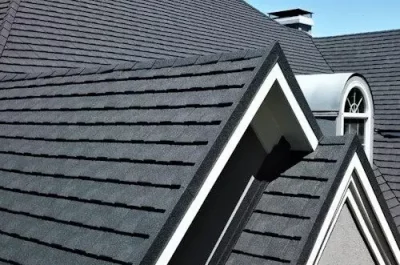
Royal Craft Home Remodelers Inc., located at 1525 Ogden Ave Ste e, Downers Grove, IL 60515, USA, is a Downers Grove based exterior remodeling contractor specializing in roofing, siding, windows, doors, and gutters since 1973. You can reach them at +1 630-725-1000 to discuss your property's specific needs.
Choosing the right commercial roofing services for your building requires careful research and a clear understanding of your roof's condition and your long-term goals. By focusing on experience, materials, drainage, and proper installation, you can make a decision that protects your property for years to come.